Industrial teams today face a growing challenge: their data lives in too many places. CAD files sit on engineering workstations. BIM models exist in one department's cloud environment. Operational data flows through separate enterprise systems. When critical decisions need to happen fast, this fragmentation slows everything down.
Centralizing CAD, BIM, and operational data into a unified view is becoming a priority for organizations looking to improve asset visualization. This guide walks you through the core concepts, practical approaches, and key considerations for building an integrated data strategy that works for your industrial environment.
By the end, you'll understand the data sources that matter, the technical requirements for integration, and how to create a connected ecosystem that supports better decision-making across your entire organization.
Key Takeaways: How to Centralize CAD BIM and Operations Data
- Centralized data eliminates silos, giving all stakeholders access to the same up-to-date asset information.
- CAD, BIM, and operational data each serve different purposes but become more valuable when connected.
- Cloud-based platforms reduce hardware constraints and allow teams to collaborate from anywhere.
- Cintoo converts 3D mesh data into lightweight, streamable formats that support real-time collaboration and visualization.
- Successful centralization requires clear data governance, standardized formats, and cross-functional buy-in.
What Does It Mean to Centralize Industrial Asset Data?
Centralizing industrial asset data means bringing together information from multiple sources into a single, accessible environment. Instead of switching between CAD software, BIM platforms, and operational databases, teams access everything from one location.
This approach creates a single source of truth. When an engineer needs to verify equipment dimensions, they reference the same data as the maintenance planner scheduling repairs. When facility managers track asset conditions, they see the same visual context as the design team.
For industrial facilities with complex infrastructure, centralization isn't just about convenience. It directly impacts project timelines, maintenance accuracy, and the quality of decisions made throughout an asset's lifecycle.
Understanding the Three Core Data Types
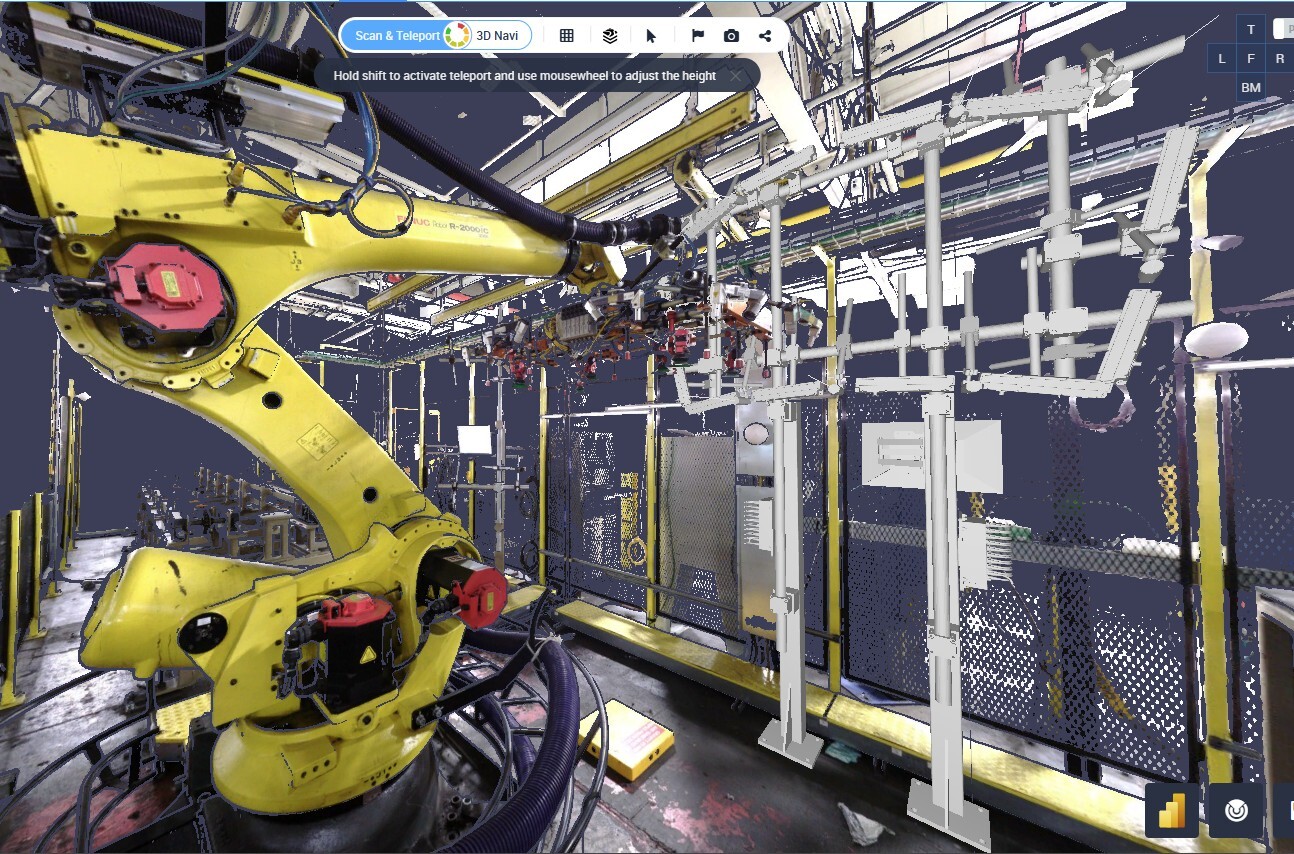
CAD Data: The Foundation of Design
Computer-aided design files capture the geometric and dimensional details of equipment, components, and systems. CAD data typically includes 2D drawings, 3D models, and technical specifications that engineers use during design and manufacturing phases.
These files contain precise measurements, material properties, and assembly instructions. For industrial settings, CAD data might represent pumps, valves, HVAC systems, structural elements, or production equipment.
BIM Data: Adding Context and Intelligence
Building Information Modeling goes beyond geometry. BIM data includes spatial relationships, system classifications, and metadata that describe how components connect and function within a larger structure.
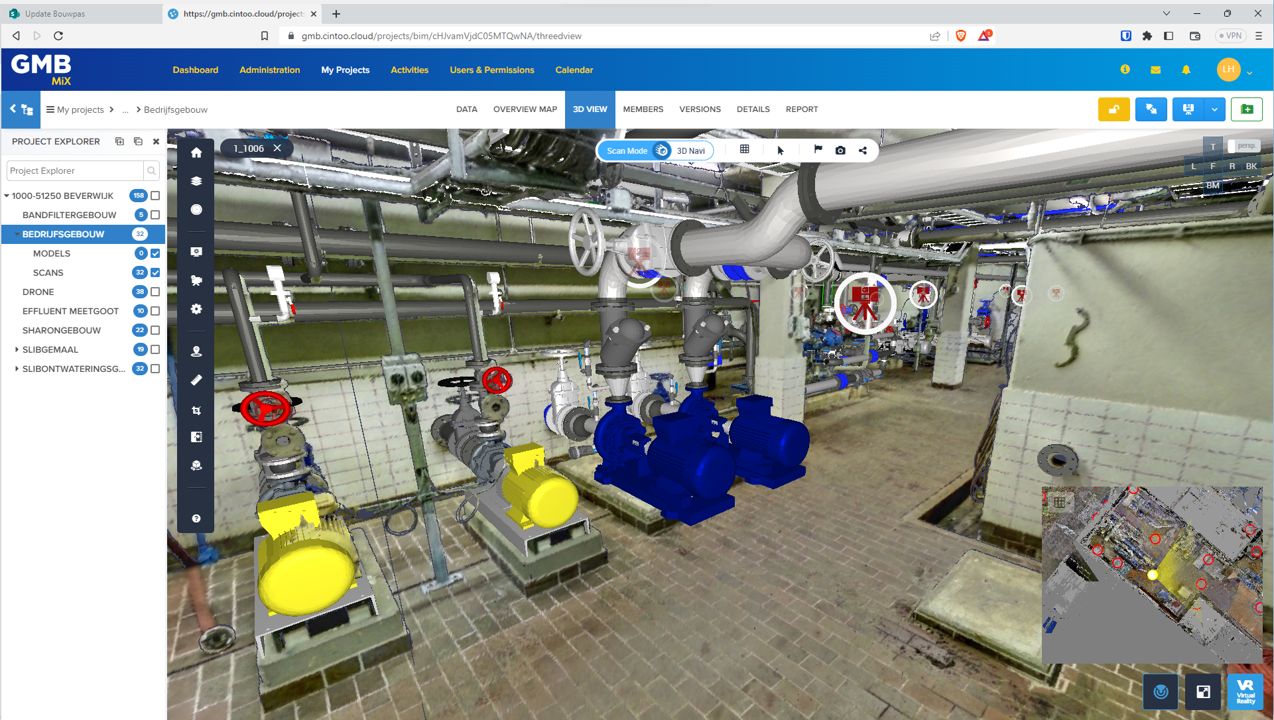
A BIM model of a pharmaceutical facility, for example, doesn't just show where equipment sits. It describes airflow relationships, clean room classifications, and compliance requirements. This contextual layer makes BIM data essential for construction coordination and ongoing facility management.
Operational Data: Real-Time Performance Insights
Operational data flows from sensors, control systems, and enterprise platforms like ERP, CMMS, and asset management software. This information reflects what's happening right now: equipment status, maintenance records, energy consumption, and production metrics.
Connecting operational data to visual asset representations turns static models into digital twins that reflect current conditions. Teams can monitor performance, track changes over time, and make decisions based on real-world evidence rather than outdated documentation.
Why Data Silos Create Problems for Industrial Teams
When data remains isolated in separate systems, several problems emerge. Engineers waste time searching for files across multiple platforms. Version control becomes difficult when the same asset information exists in different locations with different update cycles.
Field teams visiting a site might carry printed drawings that don't reflect recent changes. Maintenance planners might schedule work based on equipment specifications that no longer match installed conditions.
According to Data Bridge Market Research, the industrial digital twin market is projected to grow from USD 18.74 billion in 2025 to USD 74.58 billion by 2033. This growth reflects increasing recognition that connected data creates measurable value for industrial operations.
What an Integrated Data Architecture Looks Like
Effective centralization requires more than dumping files into shared storage. It involves creating an architecture where different data types connect meaningfully and remain accessible to the people who need them.
Data Ingestion and Processing
The first layer handles bringing data into the system. This includes importing CAD and BIM files in various formats, processing 3D mesh data from reality capture, and establishing connections to operational systems through APIs and integrations.
File format support matters significantly here. Industrial teams work with diverse tools, and a centralization platform needs to accept data from multiple sources without forcing everyone onto a single authoring tool.
Data Storage and Management
The storage layer must handle large datasets efficiently. 3D scan data and detailed BIM models can reach significant sizes. Cloud-based approaches offer advantages here, removing local hardware constraints and allowing scalable storage as project demands grow.
Organization within the storage system should reflect how teams actually work. Structuring data by facility, floor, system, or asset type makes information easier to find and reduces time spent navigating complex folder structures.
Visualization and Access
The access layer determines how users interact with centralized data. Web-based interfaces eliminate the need for specialized software installations and allow stakeholders to view information from any device with a browser.
For visualization, converting 3D mesh data into lightweight, streamable formats ensures smooth performance even with large datasets. Cintoo's TurboMesh technology addresses this challenge by creating high-fidelity meshes that teams can navigate without requiring powerful workstations.
How to Prepare Your Data for Centralization
Step 1: Audit Your Current Data Landscape
Before centralizing anything, understand what you have. Document where different data types currently live, who owns them, and how frequently they're updated.
Identify gaps where documentation might be outdated or incomplete. Many facilities have CAD drawings that don't match current installed conditions. Reality capture through precision-based laser scanning can help fill these gaps by providing accurate as-built information.
Step 2: Establish Naming Conventions and Standards
Consistent naming makes data searchable and manageable. Define conventions for file names, asset identifiers, and metadata tags before importing data into your centralized system.
Consider how different teams reference the same equipment. Engineering might use a CAD designation while maintenance uses an asset number from the CMMS. Your centralization approach should accommodate these different naming schemes while maintaining clear connections.
Step 3: Clean and Validate Data Quality
Centralization amplifies both the benefits of good data and the problems of bad data. Invest time in validating accuracy before migration.
For geometric data, compare CAD and BIM models against actual site conditions. For operational data, verify that sensor readings and system connections are functioning correctly. Catching errors before centralization prevents propagating inaccuracies throughout your connected environment.
Step 4: Define Access Permissions and Governance
Not everyone needs access to everything. Define user roles and permissions that balance collaboration needs with security requirements.
Some industrial facilities handle sensitive information about production processes or proprietary equipment. Your centralization platform should support granular access controls that protect confidential data while enabling appropriate sharing.
Connecting CAD and BIM with Reality Capture
Design models represent intended conditions. Reality capture shows what actually exists. The gap between these two perspectives often reveals critical information for planning and maintenance.
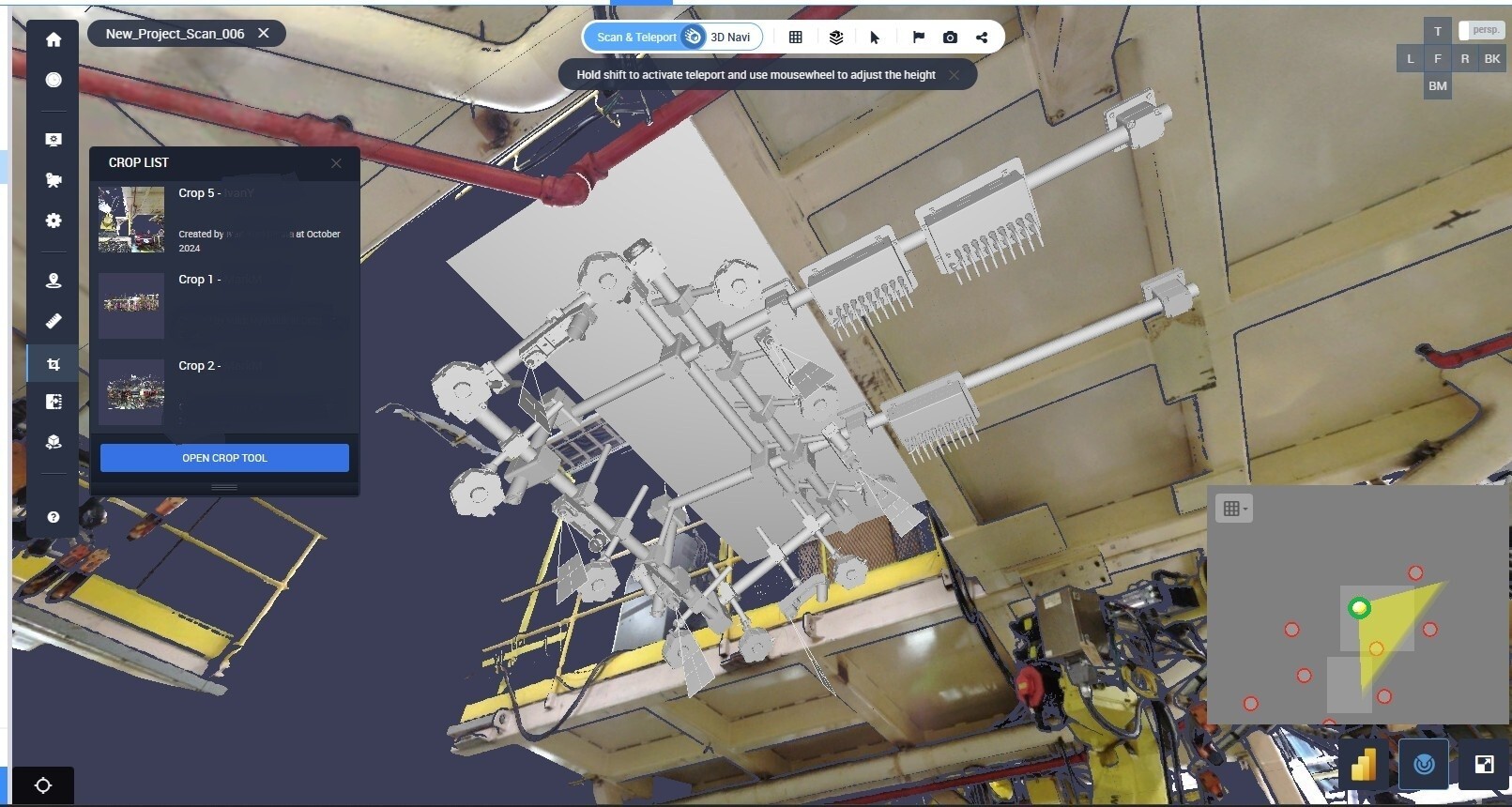
Precision-based laser scanning creates detailed 3D representations of physical environments. When these scans align with CAD and BIM data, teams can identify discrepancies, validate installations, and plan modifications based on accurate spatial information.
Cintoo supports this workflow by allowing teams to upload scan data, overlay BIM and CAD models, and compare as-built conditions against design intent. This capability proves especially valuable for renovation projects, QA/QC processes, and facilities where documentation hasn't kept pace with physical changes.
Integrating Operational Data with Visual Assets
Connecting operational data to visual representations creates a more complete picture of asset performance. Instead of viewing sensor readings in isolation, teams see them in spatial context within the 3D environment.
Linking to Enterprise Systems
Industrial operations rely on multiple enterprise platforms. ERP systems track inventory and costs. CMMS platforms manage maintenance activities. IoT sensors monitor equipment conditions in real time.
Effective centralization establishes connections between these systems and your visual asset data. When a maintenance work order closes, the associated asset in your 3D environment can reflect that update. When a sensor detects an anomaly, teams can quickly navigate to the relevant location.
-1.png?width=1160&height=1006&name=image%20(18)-1.png)
Enabling Data-Driven Decision Making
Integrated data supports better decisions at every level. Operators can troubleshoot issues faster when they see equipment context alongside performance metrics. Planners can identify patterns across systems that might not be visible when data remains fragmented.
The key is making this connected information accessible to people who need it, when they need it. Mobile access, browser-based viewing, and intuitive navigation all contribute to adoption and practical value.
Selecting the Right Platform for Your Needs
Several factors should guide platform selection for centralizing industrial asset data. Consider how well a solution handles your specific file formats, data volumes, and integration requirements.
File Format Support
Industrial teams work with diverse tools. Your centralization platform should accept common formats like E57, RCP, LAS, and LAZ for scan data, and RVT, NWD, IFC, DWG, and DGN for models. Avoiding vendor lock-in preserves flexibility and protects your investment in existing workflows.
Collaboration Capabilities
Consider how teams will work together within the platform. Unlimited user access removes barriers that can slow collaboration. Web-based viewing enables participation from stakeholders who don't have specialized software installed.
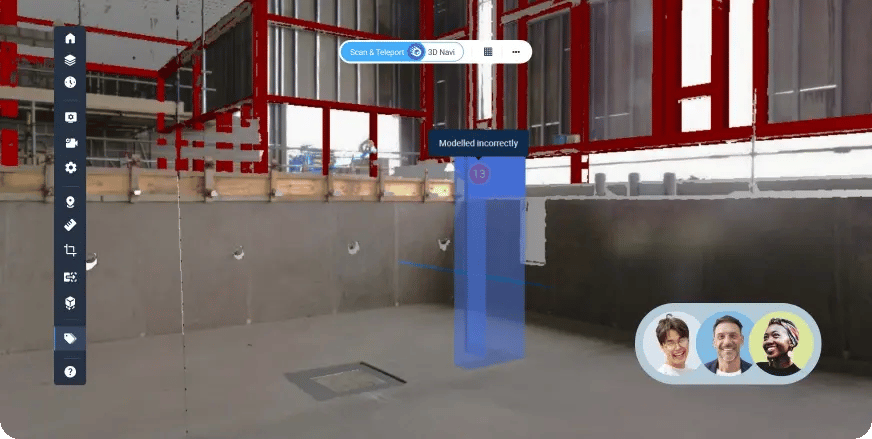
Annotation and markup tools allow teams to communicate spatially, identifying issues and sharing feedback directly within the 3D context.
Integration Ecosystem
Look for platforms that connect with tools your teams already use. Integrations with construction management software, GIS platforms, and issue tracking tools extend the value of centralized data across your technology stack.
Addressing Common Implementation Challenges
Managing Large Data Volumes
3D scan data and detailed models create significant storage and processing demands. Cloud-based platforms address this by handling computation remotely and streaming data to users on demand.
Mesh-based approaches offer particular advantages. Converting scan data to lightweight meshes reduces file sizes while preserving visual fidelity and measurement accuracy. Teams can work with data that would otherwise require expensive hardware upgrades.
Ensuring User Adoption
Technology implementations succeed when people actually use them. Training, clear documentation, and responsive support all contribute to adoption.
Start with use cases that deliver obvious value. When teams experience direct benefits from centralized data, they become advocates who encourage broader adoption across the organization.
Maintaining Data Currency
Centralized data must stay current to remain valuable. Establish processes for regular updates and define responsibilities for maintaining different data types.
For physical facilities, periodic reality capture refreshes ensure your visual data reflects current conditions. Automated connections to operational systems can handle real-time updates for sensor data and equipment status.
The Role of AI in Data Centralization
Artificial intelligence is changing how teams work with centralized asset data. AI-powered classification can automatically identify and categorize objects within 3D scan data, reducing manual effort and accelerating workflows.
For large industrial facilities with thousands of assets, this automation makes practical difference. Instead of manually tagging every pipe, valve, and piece of equipment, AI tools recognize and label these elements based on their geometric characteristics.
Cintoo incorporates AI-driven classification to help teams structure their scan data more efficiently. This capability supports faster project setup and more consistent asset identification across large portfolios.
Building a Business Case for Centralization
Demonstrating return on investment helps secure organizational support for centralization initiatives. Focus on measurable outcomes that matter to stakeholders.
Time Savings
Quantify how much time teams currently spend searching for information, reconciling different data sources, and managing file transfers. Centralization directly addresses these inefficiencies.
Error Reduction
Track issues that result from working with outdated or inconsistent information. Rework, field conflicts, and project delays all carry costs that centralization can help avoid.
Improved Collaboration
Document how better data sharing enables faster decisions and smoother coordination between departments. While harder to quantify, these benefits often deliver substantial value.
According to case studies from Cintoo customers, organizations have achieved outcomes including 5x faster project delivery and reduced site visits by up to 50% through effective use of centralized visual data.
Future Trends in Industrial Data Integration
The technology landscape continues to evolve. Increasing adoption of digital twins, growing IoT deployments, and advancing AI capabilities will shape how organizations approach data centralization.
Expect tighter integration between operational technology and information technology systems. Edge computing will enable faster processing of sensor data closer to its source. Extended reality technologies will create new ways to interact with centralized information in immersive environments.
Organizations that build strong foundations now position themselves to adopt these emerging capabilities as they mature.
In Conclusion: Creating Your Data Centralization Strategy
Centralizing CAD, BIM, and operational data represents a significant opportunity for industrial organizations. By breaking down silos and creating connected data environments, teams gain better visibility, make faster decisions, and avoid the errors that come from fragmented information.
Success requires thoughtful planning, appropriate technology selection, and commitment to ongoing data governance. Start by understanding your current data landscape and defining clear objectives. Choose platforms that support your specific needs and integrate with your existing tools.
Most importantly, focus on delivering value to the people who will use centralized data every day. When teams experience genuine benefits, adoption follows naturally, and your organization realizes the full potential of connected industrial asset information.
FAQs about How to Centralize CAD BIM and Operations Data
What is the difference between CAD and BIM data?
CAD focuses on geometric and dimensional information for individual components. BIM adds contextual layers including spatial relationships, system classifications, and metadata that describe how elements function together. Cintoo supports both data types, allowing teams to overlay CAD and BIM models with reality capture data for complete asset visualization.
Why is cloud-based storage important for centralized asset data?
Cloud storage eliminates local hardware constraints and allows scalable capacity as data volumes grow. It also enables access from any location, supporting distributed teams and remote collaboration. Cintoo's cloud-based platform securely handles large 3D scan datasets while providing web-based access for unlimited users.
How does reality capture fit into a centralized data strategy?
Reality capture provides accurate as-built documentation that validates or supplements design data. Precision-based laser scanning creates detailed 3D representations of existing conditions. Cintoo converts this scan data into streamable meshes that integrate with CAD and BIM models in a unified environment.
What file formats should a centralization platform support?
Look for support of common scan formats like E57, RCP, LAS, and LAZ, plus model formats including RVT, NWD, IFC, DWG, and DGN. This flexibility prevents vendor lock-in and accommodates diverse workflows across engineering, design, and operations teams.
How can AI improve the data centralization process?
AI automates time-consuming tasks like object classification and tagging within 3D scan data. Cintoo's AI-powered classification recognizes and categorizes assets automatically, reducing manual effort and improving consistency. This capability accelerates project setup and makes large datasets more manageable.
What ROI can organizations expect from centralizing industrial asset data?
Organizations typically see benefits including reduced time searching for information, fewer errors from outdated documentation, and improved collaboration across departments. Cintoo customers have reported outcomes like 5x faster project delivery and 98% improvement in build accuracy through effective data centralization.



.png?width=48&height=48&name=sensors%20(1).png)
.png?width=65&height=50&name=sensors%20(2).png)


.png?width=69&height=50&name=cloud_done%20(1).png)


.png?width=42&height=49&name=Group%2015496%20(2).png)


.png?width=60&height=60&name=calendar%20(1).png)


.png?width=48&height=45&name=image%20175%20(1).png)

-1.png)
